

SEO Keyword Research for Beginners Guide: Master the Basics Step-by-Step
Understanding how to perform SEO keyword research is a foundational skill for anyone looking to improve their website’s visibility and attract the right visitors. This SEO keyword research for beginners guide will walk you through the essential concepts, methods, and tools you need to identify valuable keywords that can boost your content’s search engine performance. Whether you are creating your first blog post or optimizing an existing site, this tutorial will equip you with a clear, practical approach grounded in best practices and real-world examples.
SEO keyword research for beginners guide: What Is SEO Keyword Research and Why Is It Important?

SEO keyword research is the process of discovering and analyzing the search terms that people enter into search engines like Google, Bing, or DuckDuckGo. These keywords reveal what your audience is searching for, allowing you to tailor your content to meet their needs effectively. Without proper keyword research, your content risks being invisible or irrelevant to your target audience, no matter how well-written or valuable it is.
By selecting the right keywords, you can:
- Drive targeted organic traffic to your website, attracting visitors who are actively searching for topics related to your business or niche.
- Understand user intent and create relevant content that answers specific questions or solves problems.
- Improve your rankings on search engine results pages (SERPs), increasing visibility and credibility.
- Gain a competitive edge by focusing on less competitive keywords that still have meaningful search volume.
For example, a website about fitness might discover that while “weight loss” is a highly competitive keyword, targeting “weight loss tips for busy professionals” could attract a more specific and engaged audience with less competition.
Step 1: Understand Your Niche and Audience
Before diving into tools and data, start by clearly defining your niche and understanding your audience’s needs. This foundational step sets the direction for your entire keyword research process. Ask yourself:
- What topics are relevant to my website or business? For instance, if you run a cooking blog, your niche might include recipes, cooking techniques, and kitchen tools.
- What problems or questions does my audience have? Identifying pain points or common queries helps you find keywords that address real needs.
- What kind of language or terms would they use to search for solutions? Consider jargon, slang, or formal terms your audience might use.
For example, if your niche is “organic gardening,” your audience might search for “natural pest control methods” rather than just “pest control.” This insight helps you create a list of seed keywords—broad terms related to your niche that serve as starting points for deeper research.
Tip: Use customer surveys, social media comments, and forums like Reddit or Quora to gather real language and questions your audience uses.
Step 2: Use Keyword Research Tools to Generate Ideas
Several tools can help you uncover keyword ideas based on your seed keywords. Popular beginner-friendly options include Google Keyword Planner, Ubersuggest, and AnswerThePublic. These tools provide data such as search volume, competition level, and related terms, which are essential for informed decision-making.
When using these tools, focus on:
- Search volume: The average number of monthly searches. Aim for keywords with reasonable volume relevant to your niche. For example, a keyword with 500 monthly searches might be more attainable than one with 50,000.
- Keyword difficulty or competition: How hard it is to rank for a keyword. Beginners should target low to medium difficulty keywords to increase the chance of ranking.
- Related keywords: Variations or long-tail keywords that are more specific and often less competitive. These can attract highly targeted traffic.
For example, if your niche is “organic gardening,” a seed keyword might be “organic fertilizers.” The tool might suggest related keywords like “best organic fertilizers for tomatoes,” “homemade organic fertilizer recipes,” or “organic fertilizer benefits.” Each of these has different search volumes and competition levels, allowing you to choose strategically.
Safe Implementation Guidance: When using Google Keyword Planner, remember it’s designed for advertisers, so the search volume ranges can be broad. Cross-reference with other tools like Ubersuggest or free options like AnswerThePublic to get more nuanced insights.
Step 3: Analyze Keyword Intent and Relevance
Not all keywords are equal. Understanding the search intent behind a keyword is crucial to creating content that satisfies user needs and ranks well. Search intent generally falls into four categories:
- Informational: Users want to learn something (e.g., “how to do SEO keyword research”). Content here should be educational and comprehensive.
- Navigational: Users want to find a specific website or page (e.g., “Facebook login”). These keywords are less relevant for content creation unless you manage the target site.
- Transactional: Users want to buy or complete an action (e.g., “buy organic fertilizer online”). Content should focus on product pages or calls to action.
- Commercial Investigation: Users are researching products or services before purchase (e.g., “best organic fertilizers 2024”). Content should provide comparisons, reviews, or detailed information.
Match your content type to the intent. For example, a beginner’s guide fits informational intent, while product pages fit transactional intent. Prioritize keywords that align with your content goals and audience needs to maximize engagement and conversions.
Example: If you run an e-commerce site selling gardening supplies, targeting “how to use organic fertilizer” (informational) might bring visitors who are not ready to buy, while “buy organic fertilizer near me” (transactional) targets users closer to purchase.
Step 4: Evaluate Keyword Competition and Opportunities
Assessing competition helps you decide which keywords are realistic to target, especially if you’re just starting out. To evaluate keyword competition, consider:
- Domain authority: Are the top-ranking sites authoritative brands or small blogs? Tools like Moz’s Link Explorer or Ahrefs can help estimate domain authority. Competing against high-authority domains can be challenging for beginners.
- Content quality: Is the existing content comprehensive, well-structured, and up-to-date? If top pages are shallow or outdated, you have an opportunity to create better content.
- Keyword density and usage: Are keywords naturally integrated or stuffed? Over-optimized pages may be penalized, but under-optimized pages might not rank well.
For beginners, targeting long-tail keywords with moderate search volume and lower competition usually offers the best chance to rank and attract engaged visitors. These keywords often reflect more specific queries, which means visitors are more likely to convert or engage deeply with your content.
Verification Tip: Perform manual Google searches for your target keywords and analyze the top 10 results. Look for content gaps you can fill or unique angles you can offer.
Step 5: Organize Your Keywords into a Strategy
Once you have a list of researched keywords, group them based on themes or topics. This organization aids in planning content clusters and internal linking, which benefits SEO by signaling topical authority to search engines.
Create a spreadsheet with columns such as:
- Keyword
- Search volume
- Competition level
- Search intent
- Priority (high, medium, low)
For example, if you have keywords like “organic fertilizer recipes,” “best organic fertilizer for tomatoes,” and “organic fertilizer benefits,” group them under an “Organic Fertilizer” content cluster.
This approach helps you plan pillar pages and supporting articles, improving site structure and user navigation. Internal linking between related pages also distributes link equity and helps search engines understand your site hierarchy.
Alternative Choices: You might also use SEO project management tools like Trello or Notion to track keyword research alongside content creation workflows.
Step 6: Implement Keywords Effectively in Your Content
After selecting your keywords, integrate them naturally into your content. Proper implementation involves more than just sprinkling keywords; it requires strategic placement to maximize SEO benefits while maintaining readability and user experience.
Key areas to include keywords:
- Title tags and meta descriptions: These influence click-through rates from search results. Include primary keywords early in the title and meta description to catch attention.
- Headings (H1, H2, etc.): Use keywords in headings to structure content and signal relevance to search engines. For example, an H2 titled “Benefits of Organic Fertilizers” directly targets a keyword phrase.
- Body text: Incorporate keywords contextually without stuffing. Aim for natural language that flows well. Use synonyms and related terms to avoid repetition.
- URLs and image alt text: Help search engines understand your page content. For example, use a URL like “/organic-fertilizer-recipes” and alt text like “homemade organic fertilizer in a jar.”
Safe Implementation Guidance: Avoid keyword stuffing, which can lead to penalties and poor user experience. Use tools like Yoast SEO or Rank Math to check keyword density and readability.
Verification: Preview your page in Google Search Console’s URL Inspection tool to ensure your metadata is displayed correctly and your page is indexed.
Step 7: Monitor Performance and Adjust Your Strategy
Keyword research is an ongoing process. After publishing content optimized for your chosen keywords, use tools like Google Search Console and analytics platforms (e.g., Google Analytics) to track how your content performs. Monitor metrics such as:
- Ranking positions: Are your pages moving up or down in SERPs for target keywords?
- Organic traffic: Is the number of visitors from search engines increasing?
- Click-through rates (CTR): Are people clicking your links in search results? Low CTR might indicate unappealing titles or meta descriptions.
- Engagement metrics: Bounce rate, time on page, and pages per session indicate how users interact with your content.
Based on data, refine your keyword list and content. For example, if a page ranks well but has a low CTR, update the meta description to be more compelling. If a keyword underperforms, consider creating additional content targeting related long-tail keywords.
Example: If your article on “homemade organic fertilizer recipes” ranks on page two, analyze competing pages to identify missing content or better formatting you can implement.
Common Pitfalls and How to Avoid Them
Beginners often make mistakes that can limit SEO success. Being aware of these pitfalls helps you avoid wasted effort and frustration:
- Ignoring user intent: Targeting keywords without understanding intent leads to irrelevant content that doesn’t satisfy visitors. Always align content with the keyword’s purpose.
- Overemphasizing search volume: High volume keywords are often very competitive and may not convert well. Balance volume with competition and intent.
- Keyword stuffing: Excessive keyword use harms readability and SEO. Focus on natural, user-friendly writing.
- Neglecting technical SEO: Ensure your site is crawlable, fast, and mobile-friendly to support keyword efforts. Technical issues can prevent your content from ranking regardless of keyword optimization.
Additional Advice: Don’t chase trends blindly. Trending keywords can spike traffic but may not sustain long-term growth. Build evergreen content that remains relevant.
Technical SEO Tips Related to Keyword Research
While researching keywords, keep in mind these technical SEO factors to maximize effectiveness and ensure your site supports your keyword strategy:
- Canonical URLs: Use canonical tags to avoid duplicate content issues when similar keywords target multiple pages. For example, if you have a blog post and a product page about “organic fertilizer,” canonical tags help search engines know which page to prioritize.
- Robots.txt and noindex: Ensure important keyword-targeted pages are crawlable and indexed. Avoid accidentally blocking pages you want to rank.
- Sitemap hygiene: Keep your XML sitemap updated with your main keyword pages to help search engines discover your content faster.
- HTTPS and mobile rendering: Secure, mobile-friendly sites rank better and improve user experience. Use responsive design and test your site on various devices.
- Page speed: Optimize images, enable caching, and minimize code to meet Core Web Vitals like Largest Contentful Paint (LCP) ≤ 2.5 seconds and Cumulative Layout Shift (CLS) ≤ 0.1. Slow pages can hurt rankings and user satisfaction.
Verification: Use tools like Google PageSpeed Insights and Search Console’s Core Web Vitals report to monitor and improve technical SEO.
Practical Checklist for Beginners Doing SEO Keyword Research
- Define your niche and target audience clearly to focus your efforts.
- List seed keywords based on your niche as a starting point.
- Use keyword research tools to find related keywords and gather data.
- Analyze search volume and competition for each keyword to prioritize effectively.
- Determine the search intent behind keywords to align content appropriately.
- Evaluate top-ranking content for competition insights and content gaps.
- Organize keywords into thematic groups and prioritize them for content planning.
- Incorporate keywords naturally into your content and metadata without stuffing.
- Monitor keyword performance regularly using analytics and search console data.
- Ensure your website’s technical SEO supports your keyword efforts for optimal indexing and ranking.
FAQs About SEO Keyword Research for Beginners
Q1: How many keywords should a beginner target per page?
Focus on 1–2 primary keywords and a few related secondary keywords per page. This helps keep content focused and relevant without keyword stuffing. For example, a blog post titled “Best Organic Fertilizers for Tomatoes” might target “organic fertilizers” as the primary keyword and “fertilizers for tomatoes” as a secondary keyword.
Q2: Can I rely solely on Google Keyword Planner for research?
Google Keyword Planner is a good starting point, especially if you have a Google Ads account, but combining it with other tools like Ubersuggest or AnswerThePublic provides a broader perspective and more keyword ideas. Each tool has unique data sources and features that complement each other.
Q3: How often should I update my keyword research?
Revisit your keyword strategy every 3–6 months or when you notice changes in rankings or audience behavior. Search trends and competition evolve, so staying updated helps you remain competitive and relevant.
Q4: Is targeting long-tail keywords better for beginners?
Yes, long-tail keywords are more specific, usually less competitive, and tend to attract visitors with higher intent, making them ideal for beginners. For example, “how to make homemade organic fertilizer” is a long-tail keyword that attracts users looking for detailed instructions.
Conclusion and Next Steps
Mastering SEO keyword research for beginners guide is about understanding your audience, using the right tools, analyzing intent, and continuously refining your approach. Start by defining your niche, gathering seed keywords, and using reliable tools to expand your list. Organize and prioritize keywords, then create content that meets your audience’s needs while maintaining technical SEO best practices.
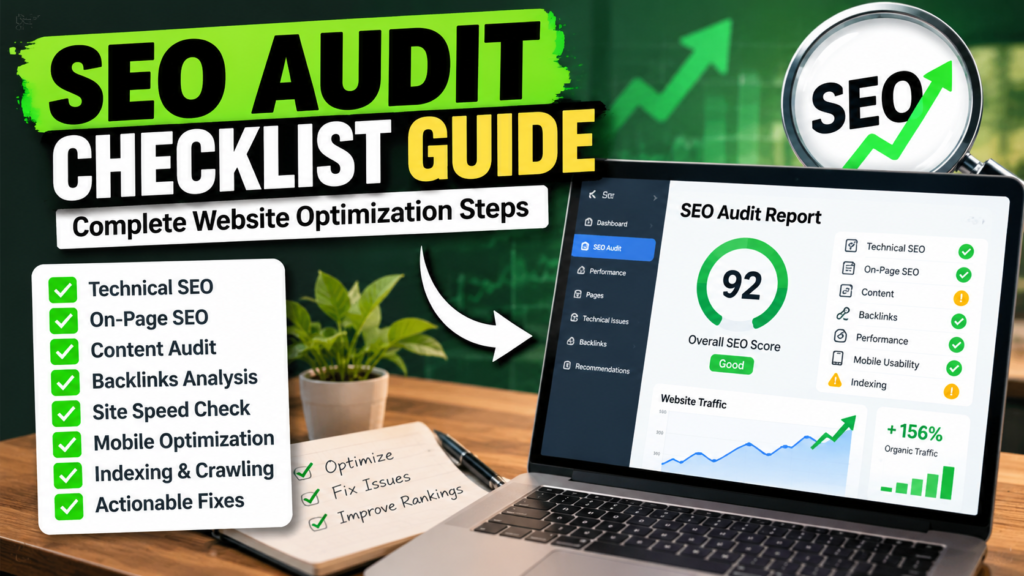
To deepen your SEO skills, consider exploring our SEO Audit Checklist Guide which complements keyword research by helping you optimize your entire website effectively.
Remember, SEO is a journey—regularly monitor your results, stay updated on best practices, and adapt your strategy to achieve lasting success.
Official Resources and Further Reading
These official resources are useful for checking the documentation and maintaining your setup as tools change.